
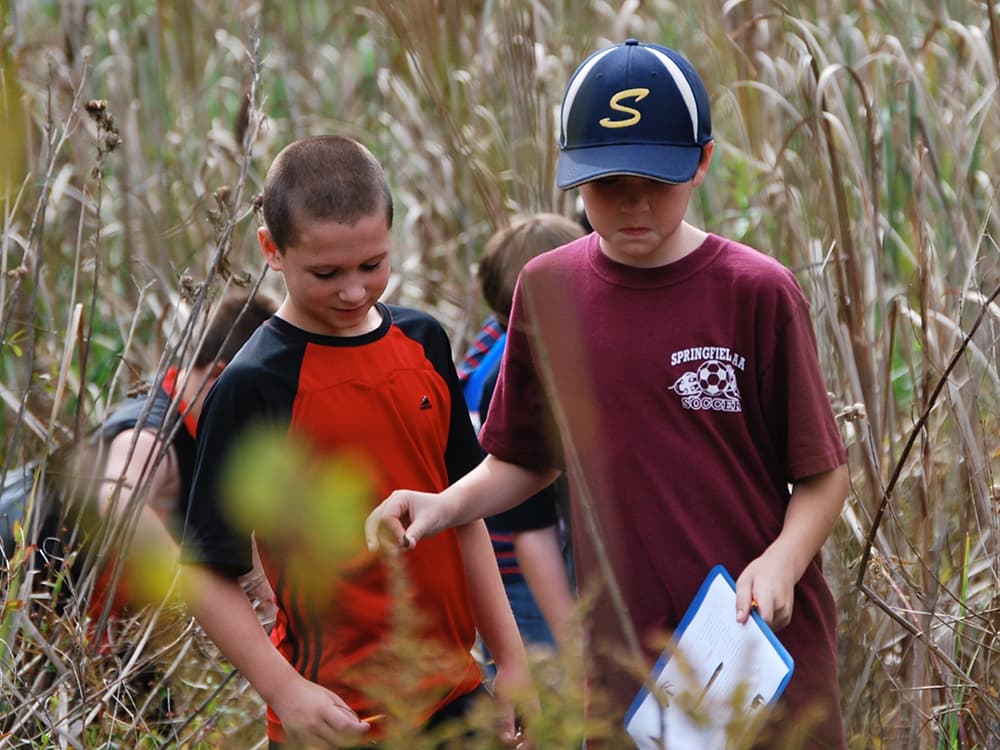
In today’s fast-paced, technology-driven world, children often spend more time indoors than ever before. Screens, structured schedules, and urban environments can limit opportunities for unstructured play and exposure to the natural world. Yet research and decades of child development expertise show that a strong connection to nature is essential for children’s physical, emotional, and cognitive growth.Physical Health Benefits
Outdoor play naturally promotes physical activity:
Time spent outdoors encourages physical activity in ways that structured exercise alone often cannot. Running across fields, climbing trees, or exploring trails engages muscles, develops coordination, and strengthens the cardiovascular system. Dr. Richard Louv, author of Last Child in the Woods, emphasizes that “nature-deficit disorder” can contribute to obesity, attention disorders, and a range of physical health challenges. Simply put, active play in natural settings supports healthier bodies.
Outdoor play naturally promotes physical activity:
- Running, climbing, and exploring strengthen muscles and coordination.
- Exposure to sunlight supports vitamin D production.
- Active play outdoors reduces the risk of obesity and related health issues.
Nature-deficit disorder can contribute to attention and physical health challenges. Time outdoors is essential for children’s growth.”
– Richard Louv, Author of Last Child in the Woods
Cognitive and Emotional Growth
Beyond the physical, nature nurtures the mind. Outdoor exploration stimulates curiosity, problem-solving, and creativity. A study published in Frontiers in Psychology found that children who spend time in green spaces show improved attention spans and better academic performance. Furthermore, natural environments reduce stress and anxiety, providing children with a calming, restorative setting that promotes resilience.
Nature sparks curiosity and creativity while reducing stress:
- Studies show green spaces improve attention spans and academic performance.
- Calm, restorative natural settings foster emotional resilience.
Spending time outside is not a luxury—it’s a necessity for a child’s emotional and social well-being.”
– Dr. Debora Gilboa, Pediatrician
Social Skills and Independence
Unstructured outdoor play also fosters essential life skills. Children negotiating games on the playground, collaborating on building forts, or navigating hiking trails learn communication, teamwork, and independence.
Unstructured outdoor play teaches:
- Teamwork and communication
- Problem-solving and decision-making
- Confidence and independence
Opportunities for challenge and exploration help children develop perseverance and self-confidence.”
– Angela Duckworth, Author of Grit
Environmental Awareness
 Connection to nature also cultivates respect for the environment. Children who engage with wildlife, forests, and rivers tend to develop empathy and a sense of responsibility for the world around them. Martin Seligman, a leading figure in positive psychology, points out that fostering meaning and purpose is crucial for well-being—experiences in nature often provide both, as children understand their role within a larger ecosystem.
Children connected to nature develop empathy and stewardship:
- They learn to care for animals, plants, and ecosystems.
- Outdoor experiences foster a sense of purpose and belonging.
A child who names the trees will one day defend the forest.”
– Robbie George
How to Encourage Nature Connection
Integrating nature into daily life doesn’t require grand gestures. Simple practices such as walking in the park, gardening, camping, or encouraging outdoor play during recess can make a significant difference. Summer camps, forest schools, and outdoor education programs offer immersive experiences that deepen children’s connection to the natural world while supporting holistic growth.
- Schedule daily outdoor play or walks in the park.
- Garden, camp, or hike as a family.
- Enroll children in summer camps or outdoor education programs for immersive experiences.
Bottom Line:
Nature isn’t just a backdrop for childhood—iit’s an active participant in it. By prioritizing outdoor time and fostering meaningful interactions with the natural world, we give children the tools to grow healthier bodies, resilient minds, strong social skills, and a lifelong respect for the environment. In a society increasingly dominated by screens and schedules, reconnecting with nature is one of the most profound gifts we can offer our children.