
A great youth adventure requires independence, deep personal growth, real peer connections, and structured freedom. In this ultimate guide, you will learn how to design or choose an engaging program that truly resonates with older kids. Paradise Farm Camps delivers this comprehensive overview to help your business build authentic camp branding and community connections.
When your program treats youth like capable individuals, they thrive. They want experiences that challenge them without feeling like school. Organizers must look past generic schedules and focus on building genuine community environments. This approach applies whether your organization runs local day and overnight camps or specializes in niche skills.
The Core Elements of an Unforgettable Camp
Older kids need a voice in their daily schedules. Traditional strict routines often push youth away because they want ownership over their time. Excellent programs offer elective activities where participants choose their own paths. A youth who picks outdoor survival over crafts feels empowered. This simple change turns a standard trip into a personal journey.
The Perfect Teen Camp relies on three main foundations. First, ownership and voice give youth the power of elective schedules. Second, real connection happens through peer mentorship and group support. Third, skill building provides specialized paths for advanced learning.
Real connection serves as the second vital pillar. True peer mentorship occurs when older participants lead group challenges. This builds deep self-confidence and establishes lasting bonds. Your branding must reflect these meaningful moments. Our strategic team at Paradise Farm Camps assists youth organizations in communicating these core values to parents and participants.
Balancing Freedom with Structure
Safety matters immensely, but over-regulation stifles growth. Staff must act as mentors rather than strict monitors. When youth feel respected, they respect the rules in return. This balance keeps engagement high throughout the summer.
Finding the perfect balance means avoiding two extremes. Too much freedom leads to chaos and a complete lack of direction. Conversely, too much structure creates a rigid and boring environment. Program success sits right in the middle.
- True Choice: Give options for morning and afternoon sessions.
- Leadership Roles: Allow older youth to plan campfire events.
- Skill Advancement: Offer advanced tracks for returning participants.
Designing for Impact: Day and Overnight Camps
The debate between day and overnight camps depends heavily on what your community requires. Daytime programs offer intense skill-focused training during daylight hours. Participants head home each evening, which works beautifully for younger teens or specialized sports training. These formats require clear daily goal communication.
Let us compare daytime programs with overnight trips directly. Daytime programs focus on intense skill training, offer local community building, and run during structured daylight hours. Overnight trips focus on complete immersion, offer deep self-reliance, and run on a twenty-four-seven community living schedule.
Overnight trips provide complete immersion into community living. Youth manage their space, resolve small cabin conflicts, and live without digital screens. This environment builds rapid self-reliance. Your promotional materials should explicitly highlight these distinct lifestyle benefits.
Authentic Communication Wins
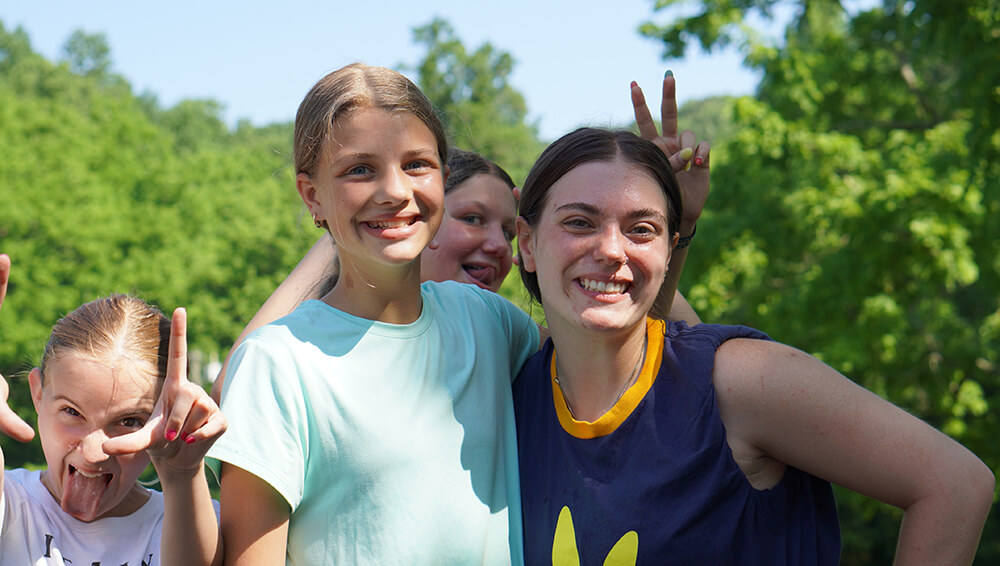
Marketing to families requires absolute honesty. Parents see right through flashy templates that promise the world but deliver very little. Your digital presence must display real camp life. Use high-quality photos of actual projects and genuine everyday moments.
When you look at generic agencies, you see stock photography, rigid templates, and high financial waste. When you look at Paradise Farm Camps, you see real camp moments, custom marketing strategies, and direct results that grow enrollment.
We see many youth brands make the mistake of using corporate language. Speak directly to the parents’ desires for their child’s growth. Keep your messaging simple, lively, and highly focused on real benefits.
Crucial Program Features Checklist
- Trained Mentors: Staff who understand youth development dynamics.
- Screen-Free Environments: Genuine breaks from social media pressure.
- Inclusive Cultures: Welcoming environments where every participant fits in.
Conclusion
Creating a great teen summer camp experience requires deep respect for youth independence and clear, honest brand communication. Avoid generic messaging and focus heavily on the real, life-changing benefits your program provides. When you build authentic connections, families notice immediately. Let Paradise Farm Camps transform your organization’s digital strategy and elevate your local community presence.
FAQs
1. What safety measures should parents look for in a modern teen summer camp?
Parents must verify proper staff ratios and comprehensive emergency medical training. Excellent programs maintain a clear counselor-to-camper ratio of one to eight for older youth. Look for background checks on all staff members. Furthermore, top programs openly share their health protocols and safety plans on their website pages. This transparency builds immediate trust with families.
2. How do day and overnight camps differ in building teenage independence?
Daytime programs build independence by letting youth manage their daily schedules and specialized gear. Participants take ownership of their personal growth while returning home daily. Conversely, overnight stays demand constant self-reliance. Youth look after their living spaces, resolve peer differences, and live away from home comforts. Both options offer powerful developmental benefits for growing adolescents.
3. Why is a screen-free policy beneficial for a modern teen summer camp?
A screen-free policy removes immense social media pressure from daily life. Youth connect face-to-face without worrying about digital views or online profiles. This break improves sleep quality and boosts real-world social confidence. Additionally, it forces participants to engage fully with nature and outdoor challenges. The result is deep, uninterrupted personal development throughout the season.
4. How can a brand effectively market a teen summer camp to modern parents?
Brands must focus on authentic messaging rather than flashy advertisements. Share real stories of personal growth, skill building, and true community impact. Parents appreciate clear details about daily routines, safety measures, and staff qualifications. Paradise Farm Camps helps organizations build powerful digital strategies that showcase these unique values clearly. Genuine connection always beats generic marketing templates.
5. What activities keep older youth engaged during a long summer session?
High-adventure challenges, elective skills, and youth-led projects keep engagement high. Older participants lose interest during repetitive child activities. They want advanced wilderness survival, filmmaking, competitive sports, or counselor-in-training programs. Giving them real responsibilities ensures they remain excited. Programs must evolve alongside the growing capabilities of their participants every single year.