
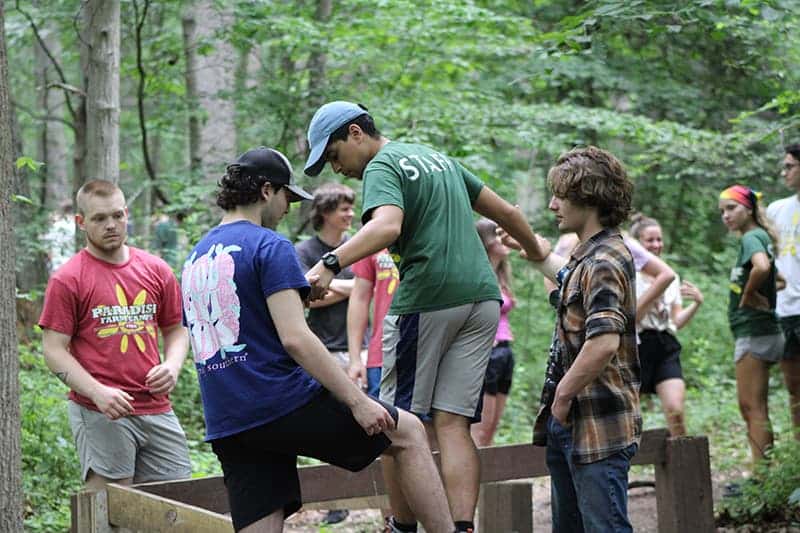
Summer breaks bring a big change to family life. Once schools close for the year, children swap packed class routines for long weeks of free time. Dropping your child off at a summer day camp program turns those open weeks into a good season. Beyond keeping kids busy, camp gives children a safe place where they build real social skills. They stay active and sharpen their minds.
The real value of camp goes way past basic care. Children step out of their usual friend groups and run around outside. They tackle small everyday problems with guidance from helpful counselors. These daily moments build practical life skills that stay with them long after summer ends. At Paradise Farm Camps, we use outdoor experiences to help children grow with confidence while still having plenty of fun.
How Do Day Camps Build Authentic Social Connections?
Classrooms group kids strictly by age and reading levels. Day camps change that setup by bringing together children from different backgrounds. Playing team games and making crafts helps kids learn to get along with all kinds of peers. Sharing lunch tables also builds these new connections.
- Clear Communication: Kids learn to speak up and listen well. They work through small fights without running to adults every minute.
- Real Empathy: Spending time with kids outside their normal group gives them a wider view of the world. It teaches them basic respect.
- Team Effort: Working together on group skits or outdoor games creates real friendships. These bonds grow from shared hard work.
Given the amount of time children spend on screens nowadays, it becomes extremely important to play in groups in reality. This helps children to pay attention to face expressions and voice tones. They learn how to respond to people in person. It is through these simple actions that a foundation for healthy relationships is laid.
Why Making Their Own Choices Helps Kids Grow
Adults make almost every choice at home and in school. Camps change that setup by giving kids room to make choices inside safe limits. Campers pick their afternoon games and keep track of their gear. They decide how to start new tasks. At Paradise Farm Camps, our day camp brings together outdoor play, sports, nature, adventure, and arts.
Picking their own art tools or deciding to try a high ropes course gives kids real pride. That decision-making builds inner drive. Kids quickly see that their choices matter, which builds a quiet self-trust that carries over into the school year.
How Do Structured Programs Kids’ Brains Active All Summer
Most parents worry about kids losing school skills over three months of break. Traditional summer school relies on worksheets, but camp keeps young brains sharp through hands-on fun.
Real-world activities need active thinking. A child might build a solar oven out of cardboard or figure out a plan for capture-the-flag. They use math, logic, and science naturally. Solving problems on their feet keeps their minds working without making them feel like they are sitting in a classroom.
What Role Does Outdoor Physical Activity Play In Health?
Kids tend to sit around much more during long summer breaks. Camps flip that habit by putting physical games and swimming right into the daily plan. They include hiking and team sports.
Running around outside builds coordination and muscle strength. It keeps growing bodies healthy. Getting regular sunlight helps set body clocks so kids sleep better at night. Active play releases natural feel-good chemicals that lower stress and lift daily spirits. At Paradise Farm Camps, our group structure creates a strong sense of belonging.
How Trying New Things Helps Kids Build Confidence
Resilience is developed by giving children minor challenges and teaching them to overcome the challenge. Camp programs provide a place where children can experience the challenge of doing difficult things. Children can climb a wall or perform in front of an audience. The other option is learning how to control a kayak.
- Getting Beyond Their Fears: Attempting something new teaches children that they can overcome their initial fears.
- Having a New Perspective On Mistakes: Committing mistakes while learning something new is considered an opportunity to try again. It is never considered a negative action.
- Focusing on Effort: Counselor praise highlights hard work instead of fast success. Kids learn to stick with tough tasks.
When a camper falls off a low balance beam, they get right back up to try again. They learn a clear lesson: hard moments pass, and practice brings progress. That grit carries right into school and personal challenges later on.
Why Kids Need Great Role Models Outside of Home
Camp counselors hold a special place in a child’s life. They are not parents or formal teachers. Instead, they act as friendly and energetic role models.
Counselors show teamwork and good attitudes in real time. They show calm patience. Getting praise from a helpful young adult gives a big boost in confidence to many children. These counselors help children through daily wins and mistakes by giving kind guidance instead of strict rules.

How Camp Activities Teach Good Habits and Values
The camp community acts as a small neighborhood where good habits start. Living and playing in a group needs fairness and honesty. Eating meals together builds team habits.
Campers take turns carrying gear and cleaning shared spaces. They cheer on friends who need extra help. These basic chores build a real sense of duty. Kids head home with a clearer view of how their daily choices affect the people around them.
How Do These Experiences Impact Overall Development?
Investing in children’s summer programs supports key growth steps across social, physical, and thinking areas. Social confidence grows through group teamwork, and self-reliance builds through daily choices. Mental sharpness stays strong through hands-on tasks, and emotional courage grows through safe challenges.
Putting your child in a good camp setup turns quiet summer weeks into a great season of personal growth. At Paradise Farm Camps, our large outdoor setting gives campers space for nature activities, swimming, adventure, creative work, and group play.
FAQs
1. What age is appropriate for a summer day camp program?
Children around four years old do well in local day options. Directors design daily schedules and staff ratios specifically for younger age groups. They adjust the physical activities accordingly. Early involvement helps toddlers build baseline social habits, improves physical movement, and gently prepares children for full school days without causing overwhelming separation stress.
2. How do children’s summer programs handle homesickness or social anxiety?
Counselors use simple icebreakers and buddy pairings to direct energy away from worries. They incorporate active games into the daily routine. Staff validate feelings while encouraging nervous kids to join group fun. Predictable daily routines help children feel safe, lower anxiety, build social confidence, and adjust quickly to new friends.
3. What should parents look for when selecting a facility?
Parents ought to check safety credentials and staff ratios. They should evaluate facility upkeep and counselor training standards. Reviewing daily schedules ensures activities match your child’s physical energy and creative interests. Clear communication policies regarding medical steps and daily updates show a well-run operation parents can trust.
4. How do staff members ensure camper safety during outdoor activities?
Camp teams keep tight group supervision and run regular headcounts. They enforce hydration breaks throughout the afternoon. Counselors hold CPR and first-aid certifications before the season starts. Establishing clear game rules and running quick buddy checks keeps children safe across all outdoor play spaces.
5. What items should campers bring in their daily backpacks?
Daily gear includes a reusable water bottle and broad-spectrum sunscreen. Parents should pack labeled lunch bags and comfortable play clothes. Running shoes keep feet safe during active sports, and a change of clothes handles messy craft time or water play. Leaving personal electronics at home helps campers connect directly with peers.