
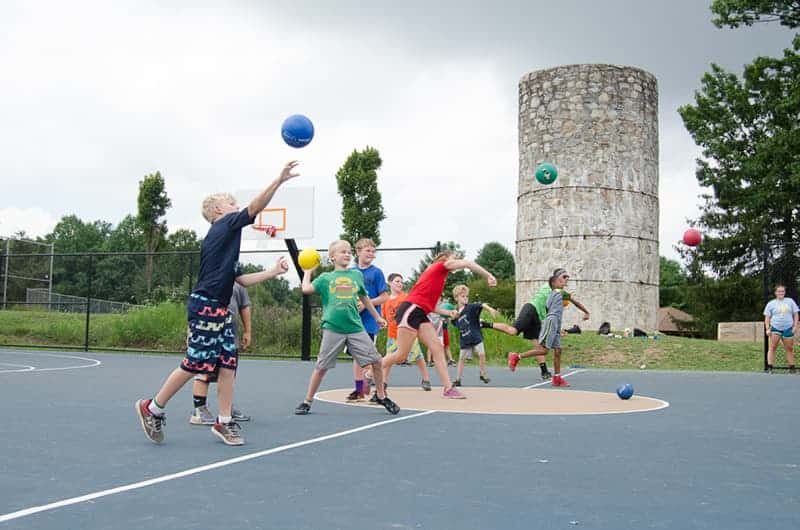
Children grow in confidence when given real chances to make choices, solve problems, and help others. At Paradise Farm Camps, we create those chances through hands-on outdoor experiences across six hundred acres of fields and forest trails. Our character-building programs for kids encourage children to take responsibility, work with teammates, and step forward when a task needs attention. Some campers arrive ready to jump into every activity, while others need more time to feel comfortable. With patient guidance and meaningful tasks, each child can discover personal strengths. Outdoor learning gives children space to become more independent, capable, and ready to lead.
What Makes Character Programs Work for Youth?
True character development happens when children face healthy challenges with clear guidance. Young children learn emotional growth by trying new activities inside safe settings. A child might pause before trying a low-ropes obstacle course. A child might feel unsure about joining new group members. Once youth take a small first step, personal perspective changes fast.
- Building Emotional Grit: Children learn to try again after making small physical mistakes.
- Fostering Team Cooperation: Group tasks teach children how to listen, share ideas, and resolve simple conflicts.
- Encouraging Clear Choices: Guided tasks prompt children to judge situations and make smart personal choices.
- Developing Mutual Respect: Children practice encouraging peers while appreciating different strengths.
These core habits stay firm because children learn through direct physical practice rather than sitting through lectures. Youth see immediate group results while working together on outdoor tasks. Over time, dynamic outdoor challenges change how children see personal abilities. Children stop fearing small failures and start viewing new tasks as exciting opportunities.
Why Hands-On Experiences Build Great Leaders
Reading about leadership inside books cannot replace hands-on practice in open spaces. Children need room to make choices, test ideas, and manage daily responsibilities directly. Structured character-building programs for kids provide that exact setting through guided group tasks and physical team challenges.
When campers help organize activity gear or guide group tasks, children practice real leadership naturally. Youth learn that true leadership means helping peers succeed rather than shouting orders. These early habits build solid communication skills that carry over into school classrooms and home life.
How Outdoor Exploration Builds Daily Responsibility
Taking care of personal gear and respecting shared spaces teaches children accountability. Outdoor settings require active participation from every single team member. If a child forgets a water bottle or leaves gear behind, youth realize how small actions affect group members quickly.
Practical learning in natural settings gives children simple, clear outcomes for personal choices. Children learn to care for personal items, follow daily schedules, and look out for teammates. These daily habits build strong character traits that stay with children forever.
Value of Experiential Learning in the Modern World
In modern times, many young children spend much time in front of the screen in closed rooms. Programs which involve outdoor experiences give children a balance of learning by combining both fun and practicality. When young children experience forest tracks, climb physical barriers, or solve puzzle games in groups, their minds gain new experiences.
Outdoor education in Pennsylvania gives direct application of classroom concepts through natural elements. Children gain confidence through physical and environmental challenges.
Key Pillars for Personal Growth
Our balanced program focuses on four main practical areas:
- Team Cooperation: Working together on shared physical challenges teaches active communication and peer support.
- Environmental Respect: Caring for natural habitats and camp facilities develops deep empathy and social responsibility.
- Positive Energy: Facing unfamiliar obstacles with an open mind builds a lasting personal growth mindset.
- Daily Kindness: Supporting teammates through encouragement creates strong friendships and inclusive habits.
Helping Youth Overcome the Fear of Mistakes
Many children worry deeply about making small mistakes in front of peers. That worry holds youth back from trying new sports, joining clubs, or sharing opinions. At Paradise Farm Camps, character development activities break that cycle by treating mistakes as normal steps in learning.
When a child misses a target during archery or drops a ball during team games, staff provide quick support. Children learn to adjust physical focus, take deep breaths, and try again. Mastering physical tasks after multiple tries gives children clear proof of personal resilience.
This simple learning process builds emotional strength. Children realize that short setbacks are normal steps toward final success.
Building Strong Friendships and Social Assurance
Social situations inside traditional classrooms often feel stressful for growing children. Camp settings offer a fresh start where children connect with peers from varied backgrounds. Away from everyday social pressure, youth form quick bonds during shared meals, nature walks, and evening gatherings.
Working inside small group cabins teaches children how to compromise and communicate clearly. Youth share daily responsibilities, celebrate team wins, and encourage peers through difficult moments. These positive social experiences give children the self-assurance needed to build healthy friendships back home easily.

Preparing Youth for Future Life Challenges
Social and emotional competencies acquired through outdoor activities during youth programs will be beneficial to children even after they leave the camp. Children who develop a sense of independence and cooperative skills when working as a team find it easy to transition into middle and high school.
By taking part in outdoor learning programs in Pennsylvania, children build a strong foundation for future personal success. Youth grow into confident individuals who accept personal responsibility, value community connections, and face new life tasks bravely.
Conclusion
It is essential for building character to take some time, but the correct environment plays an important role in the development of children. Children who get involved with nature and go through tough situations will find their own courage, flexibility, and resilience. Paradise Farm Camps can help your children learn to become responsible leaders.
FAQs
1. How do character-building programs for kids help develop personal responsibility?
Children build strong personal responsibility by managing equipment, cleaning shared cabin spaces, and making decisions during daily outdoor activities. Experiencing real outcomes inside safe environments helps children understand how personal choices impact group success directly. These practical routines establish lifelong habits of self-reliance, accountability, and practical problem-solving.
2. What age groups benefit most from youth character programs?
Children of all ages gain valuable life skills through structured outdoor growth programs. Younger children develop foundational social skills and personal self-reliance through guided day activities. Older youth build deeper confidence and leadership skills through overnight stays and dedicated teen leadership options. Every age stage offers unique chances for real personal growth.
3. How do outdoor settings build confidence better than indoor rooms?
Outdoor settings present dynamic physical tasks that encourage children to adapt and solve problems quickly. Mastering physical obstacles like hiking trails gives children clear proof of personal capability. Natural campuses give youth room to step away from digital screens, face new physical challenges, and build true self-assurance through hands-on practice.
4. What role do team activities play in developing responsibility?
Team activities require every child to communicate clearly, fulfill assigned tasks, and support group goals. Structured challenge courses show children that overall group success relies on individual personal effort. Children learn to take full ownership of personal tasks while encouraging peer achievements continuously in supportive settings.
5. How do guided group reflection sessions reinforce character growth after activities?
Facilitators wrap up group challenges with guided reflection sessions that connect outdoor activities directly to daily life. Kids break down what worked during a task, talk through communication missteps, and evaluate their individual roles in the team’s outcome. Processing these real-time experiences helps children internalize key takeaways, transforming routine physical challenges into lasting lessons in self-awareness, empathy, and personal responsibility.